


Citric Acid: Applications, Global Supply Trends, and Why It Remains a Key Industrial Ingredient
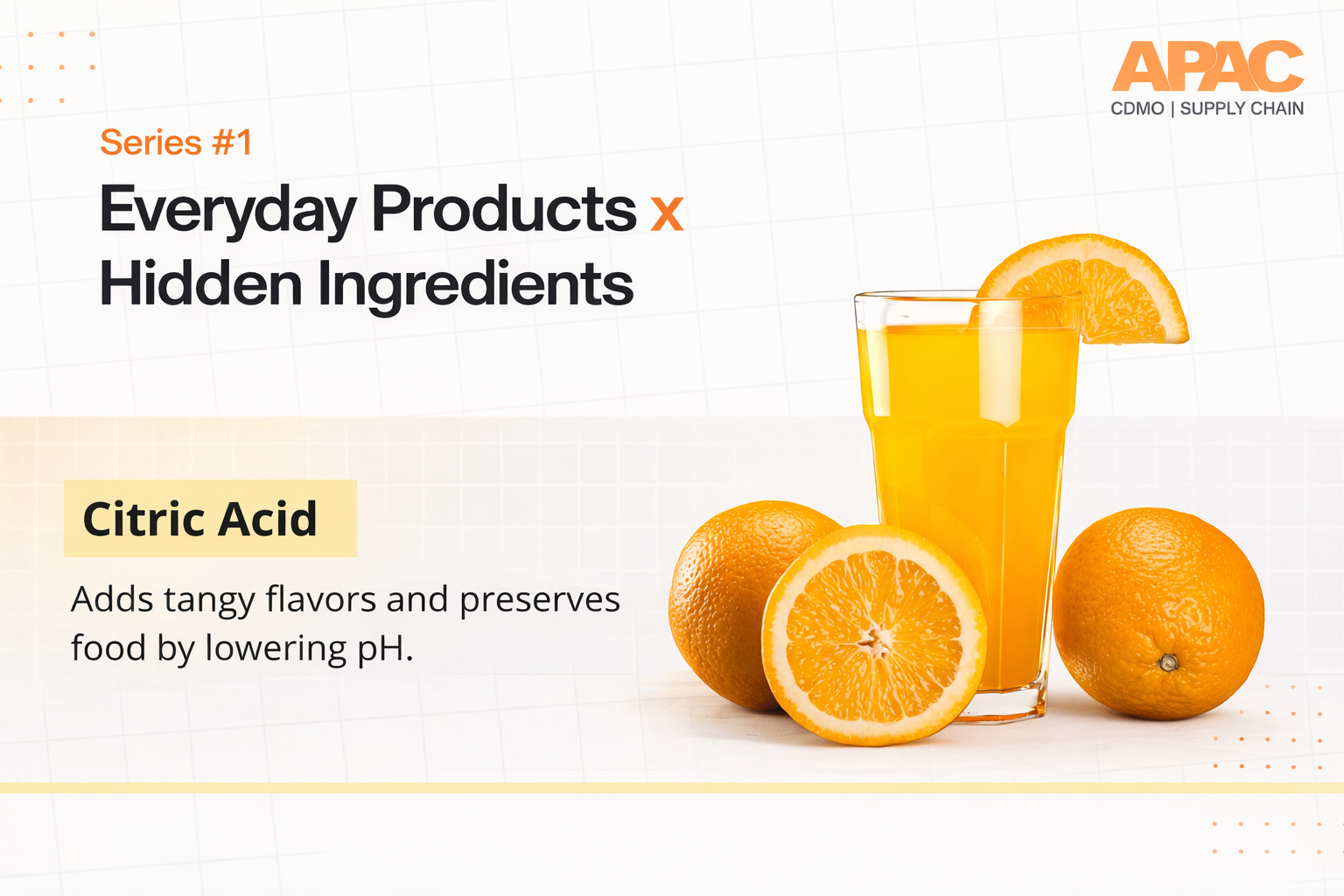
Citric Acid: Uses, Applications, and Global Supply Trends
Citric acid is one of the most widely used organic acids in the world.
Naturally found in citrus fruits such as lemons and oranges, it plays a critical role across multiple industries including food and beverages, pharmaceuticals, personal care, and industrial cleaning products.
Today, most citric acid is produced through microbial fermentation, making it widely available for commercial and industrial applications. Due to its versatility, safety profile, and effectiveness as an acidulant and preservative, citric acid remains an essential ingredient in global manufacturing and supply chains.
Companies looking for reliable citric acid suppliers often require consistent quality and global sourcing support. Learn more about our citric acid sourcing solutions.
➡️ Explore Citric Acid Supply:
https://apacss.com/citric-ahttps://apacss.com/citric1acid-1food1grade-1bag1-2025-40.htmlcid
What is Citric Acid? Chemical Properties and Production
Citric acid is a weak organic acid with the chemical formula C₆H₈O₇. While it naturally occurs in citrus fruits, large-scale production is typically carried out through fermentation using microorganisms such as Aspergillus niger. The compound is widely used because of its ability to:
• regulate acidity and pH levels
• enhance flavor in food products
• act as a preservative
• function as a chelating agent in industrial applications
These properties make citric acid an important ingredient across various formulations.
Citric Acid Uses and Industrial Applications
Food and Beverage Industry:
The food and beverage sector accounts for the largest share of citric acid consumption globally. It is commonly used as an acidulant and flavor enhancer in many products.
Typical citric acid applications in the food industry include:
• carbonated beverages and soft drinks
• fruit juices and flavored drinks
• confectionery and candies
• jams and processed foods
• bakery and dairy products
By lowering pH, citric acid helps preserve food, stabilize formulations, and enhance taste.
Pharmaceutical Applications:
Citric acid also plays an important role in pharmaceutical formulations. Common pharmaceutical uses include:
• pH regulator in liquid medications
• effervescent tablets and powders
• vitamin and dietary supplement formulations
• stabilizing agent in syrups
Its compatibility with active ingredients and regulatory acceptance make it widely used in pharmaceutical manufacturing.
Personal Care and Cosmetics:
Citric acid is commonly found in personal care and cosmetic products due to its pH-balancing and stabilizing properties. Typical applications include:
• skincare products
• shampoos and conditioners
• bath products
• cosmetic formulations
It helps maintain product stability and improve the performance of many formulations.
Industrial and Cleaning Applications:
Beyond food and pharmaceutical applications, citric acid is widely used in industrial formulations. Key industrial uses include:
• descaling agents
• detergents and cleaning products
• surface cleaners
• metal cleaning formulations
Citric acid acts as a chelating agent, helping remove mineral deposits and improve cleaning efficiency.
Global Citric Acid Supply and Production
Citric acid is produced globally through fermentation processes, with major production hubs located in Asia, particularly China and India. These regions support large-scale fermentation manufacturing and supply a significant portion of global demand. Due to its widespread use across industries, citric acid remains a high-volume commodity chemical.
For companies sourcing citric acid internationally, important factors include:
• consistent product quality
• regulatory compliance
• reliable supply chains
• documentation such as COA, SDS, and TDS
Reliable sourcing partners help ensure consistent supply for manufacturers across regulated markets.
Market Insight
Global demand for citric acid continues to grow due to increasing consumption in processed foods, pharmaceuticals, and cleaning products.
Asia remains the largest production hub, with China and India accounting for a significant share of global citric acid supply. As demand continues to expand across food, pharmaceutical, and industrial applications, reliable sourcing and supply chain stability are becoming increasingly important for global buyers.
Why Citric Acid Remains a Strategic Ingredient
Citric acid continues to be a key ingredient across industries due to several advantages:
• versatile applications across food, pharmaceuticals, and industrial products
• cost-effective fermentation production
• strong global demand
• compatibility with environmentally friendly cleaning formulations
These factors ensure citric acid remains a strategically important ingredient in global supply chains.
APAC’s Role in Global Chemical Sourcing
At APAC Sourcing Solutions, we support global customers by connecting them with reliable manufacturers across Asia for a wide range of chemicals and specialty ingredients.
Our sourcing approach focuses on:
• trusted manufacturing partners
• documentation support including COA, SDS, and TDS
• compliance with regulated markets
• reliable global supply chain coordination
Through strategic sourcing partnerships, we help ensure consistent supply of high-quality ingredients for industries worldwide.
Quick Facts About Citric Acid
• Chemical Formula: C₆H₈O₇
• Production Method: Microbial fermentation using Aspergillus niger
• Major Production Regions: China, India
• Key Applications: Food & beverages, pharmaceuticals, personal care, industrial cleaning
• Functional Role: Acidulant, preservative, chelating agent
Conclusion
Citric acid is a versatile and esseCitric acid remains one of the most versatile organic acids used across food, pharmaceutical, personal care, and industrial formulations. Its functional properties, cost-efficient fermentation production, and global demand ensure it remains a strategic ingredient in modern supply chains.
Inquiry: ibd@apacss.com


